
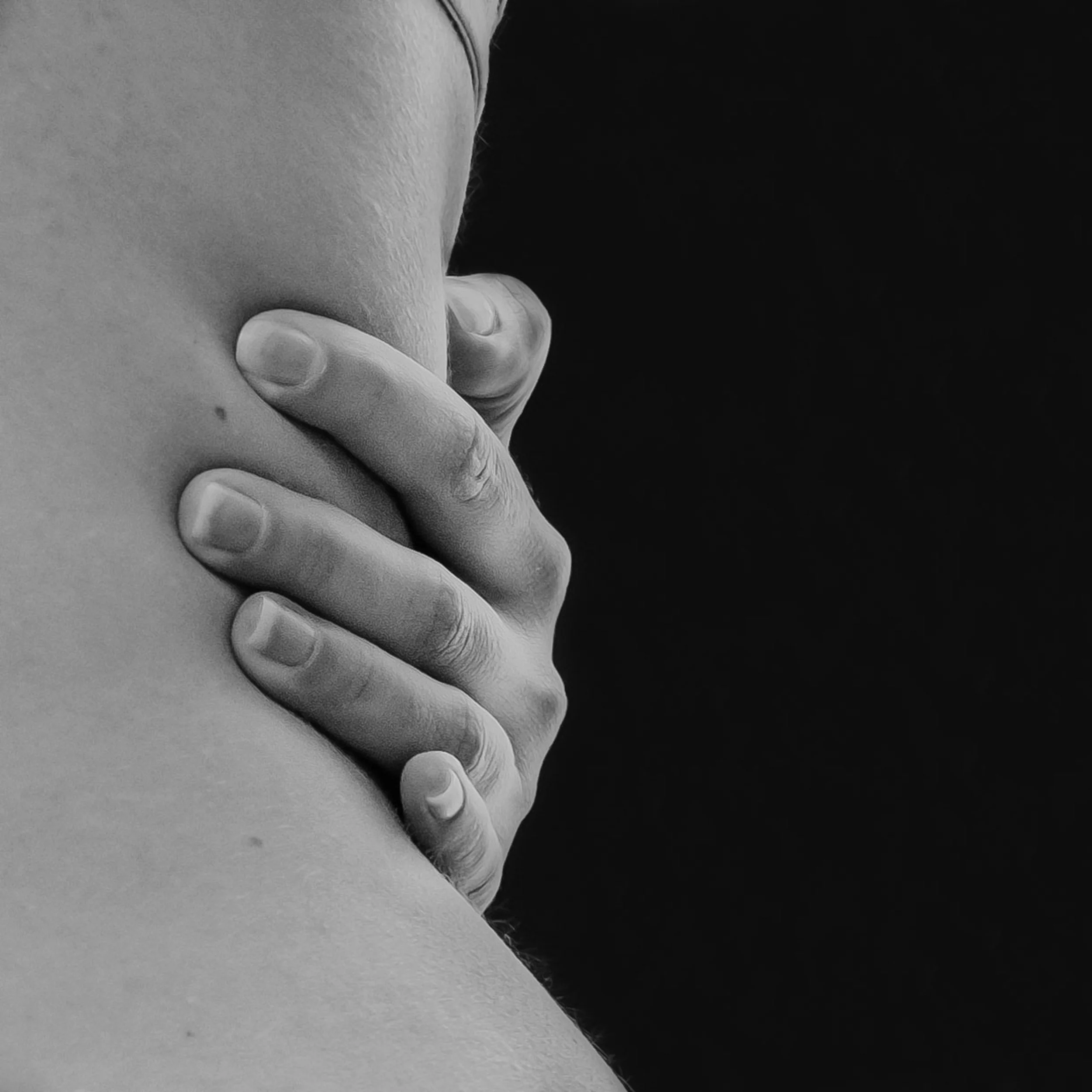
When pain changes the way you move: why looking beyond the sore spot matters
Have you ever had a sore knee, hip or shoulder and noticed that you started moving differently to avoid discomfort?
Perhaps you put more weight through the other leg, changed how you walk, or started feeling tightness somewhere else.
When pain affects the way we move, it can be easy to focus entirely on the spot that hurts. But our bodies don't work in isolation. The way we move, rest and carry out everyday activities can influence how different areas of the body feel.
This is one reason I take a whole-body approach in my Bowen Therapy practice.
When one area hurts, other areas can be affected
Pain can change the way we move, sometimes without us even noticing.
For example, someone with a sore knee might shorten their stride, avoid bending it fully or put more weight through the other leg. Someone with a sore shoulder might change how they reach, lift or carry things.
These changes can be helpful in the short term, particularly when we're trying to protect an uncomfortable area. However, if we continue moving differently for a while, we may notice new areas of tightness, fatigue or discomfort.
That doesn't automatically mean the original problem has caused another injury. Pain and movement are influenced by many factors, including the nature of the injury, strength, mobility, activity levels and how long symptoms have been present.
The important thing is to notice what's changing rather than assuming every new ache has the same cause.
Why I look beyond the sore spot
As a Bowen therapist, I consider how the body is moving as a whole rather than looking only at the area where someone feels discomfort.
During a session, I'll listen to what you've been experiencing, ask about your movement and consider the wider picture when planning the treatment.
For example, if someone comes to see me about knee discomfort, we may discuss how they're walking, whether they're avoiding particular movements and how they're managing everyday activities.
The focus isn't to assume that every problem starts somewhere else. It's to recognise that the body is interconnected and that understanding the bigger picture can help guide a more individual approach.
Bowen Therapy uses gentle, specific moves over muscles and soft tissues. Some people find the experience relaxing, and some seek it as a complementary approach to managing muscular discomfort and supporting general wellbeing.
What you can do when your movement changes
You don't need to push through pain or try to correct every movement yourself. A few simple steps can help you respond more thoughtfully.
1. Notice what has changed
Have you started favouring one side, avoiding stairs, taking shorter steps or changing how you sit? Noticing these changes can help you explain what's happening when you seek advice.
2. Keep movement comfortable
If it feels safe to do so, gentle movement within your comfort level may help you maintain your usual activities. Avoid forcing painful movements or pushing through worsening symptoms.
3. Take breaks from prolonged positions
If you spend a lot of time sitting or standing in one position, try changing position regularly and moving in a way that feels comfortable for you.
4. Get the right support
If pain is persistent, worsening or affecting your daily activities, speak with your GP or an appropriately qualified health professional. A physiotherapist or exercise physiologist may also help assess movement and develop an individualised plan.
New or severe pain following an injury, significant swelling, an inability to bear weight or new weakness or numbness should be assessed promptly. Seek urgent medical attention for serious or sudden symptoms.
How Bowen Therapy may fit into your care
Bowen Therapy is a gentle, hands-on complementary therapy that uses light, rolling moves over specific areas of the body, with pauses between sequences.
People seek sessions for a variety of reasons, including muscular tension, physical discomfort and relaxation.
I take the time to hear your concerns and understand what you'd like help with. Rather than assuming every person needs the same treatment, I tailor each session to the individual.
Bowen Therapy is not a substitute for medical assessment, rehabilitation or other recommended treatment. If you're recovering from an injury, it can be helpful to discuss complementary therapies with your treating health professional so your care remains appropriate to your needs.
Bowen Therapy in Manningham and Adelaide
At Balance & Energise Bowen Therapy, I work with people who want a gentle, individualised approach to their wellbeing.
My clinic is based at Business Hub Manningham, and I welcome clients from Manningham and surrounding Adelaide suburbs.
If you've noticed changes in how you move or are looking for a complementary approach to managing muscular tension, you're welcome to get in touch to discuss whether Bowen Therapy may be suitable for you.
Explore Bowen Therapy at Balance & Energise or view appointment information.
Frequently asked questions
Can pain in one area affect how I move elsewhere?
Yes. Pain can lead people to change their posture, walking pattern or the way they carry out everyday activities. Whether these changes cause further discomfort depends on the individual and the circumstances.
Can Bowen Therapy help with movement-related discomfort?
Some people seek Bowen Therapy as a complementary approach to managing muscular discomfort and supporting relaxation. Evidence for its effectiveness is limited, and individual responses vary. It should not replace assessment or treatment for an injury or medical condition.
Should I keep moving if something hurts?
That depends on the cause and severity of the pain. Gentle, comfortable movement may be appropriate in many situations, but you should not force painful movements. Seek professional advice if symptoms are worsening, persistent or affecting your usual activities.
Where can I book Bowen Therapy in Adelaide?
Angie at Balance & Energise Bowen Therapy offers appointments at Business Hub Manningham, serving Manningham and surrounding Adelaide suburbs. Visit the appointments page for current availability.
This article is for general information only and is not a diagnosis or a substitute for individual medical advice.