
How Fragrance Impacts Focus, Mood & Nervous System Health
Fragrance isn’t just about smell — it directly affects the brain and nervous system. The olfactory system connects to the limbic system, which controls emotions, memory, and stress responses. Synthetic fragrances in cleaning products, air fresheners, candles, and personal care items can subtly overload the nervous system.
Common effects of synthetic fragrance include:
• Poor concentration or brain fog
• Fatigue and irritability
• Shallow breathing or tension
• Heightened stress responses
Focus and mental clarity
Busy environments like schools, workplaces, or clinics already challenge our nervous systems. Artificial scents add extra load, making it harder to think clearly, focus, or relax.
Supporting nervous system and wellbeing
Low-fragrance spaces allow the body to regulate naturally. Reducing artificial scent exposure helps the nervous system settle, improving:
• Focus and attention
• Relaxation and calm
• Breathing and oxygen flow
• Emotional balance
• Overall comfort and recovery
Practical tips for creating calm spaces
• Choose fragrance-free cleaning and personal care products
• Avoid strong perfumes and air fresheners indoors
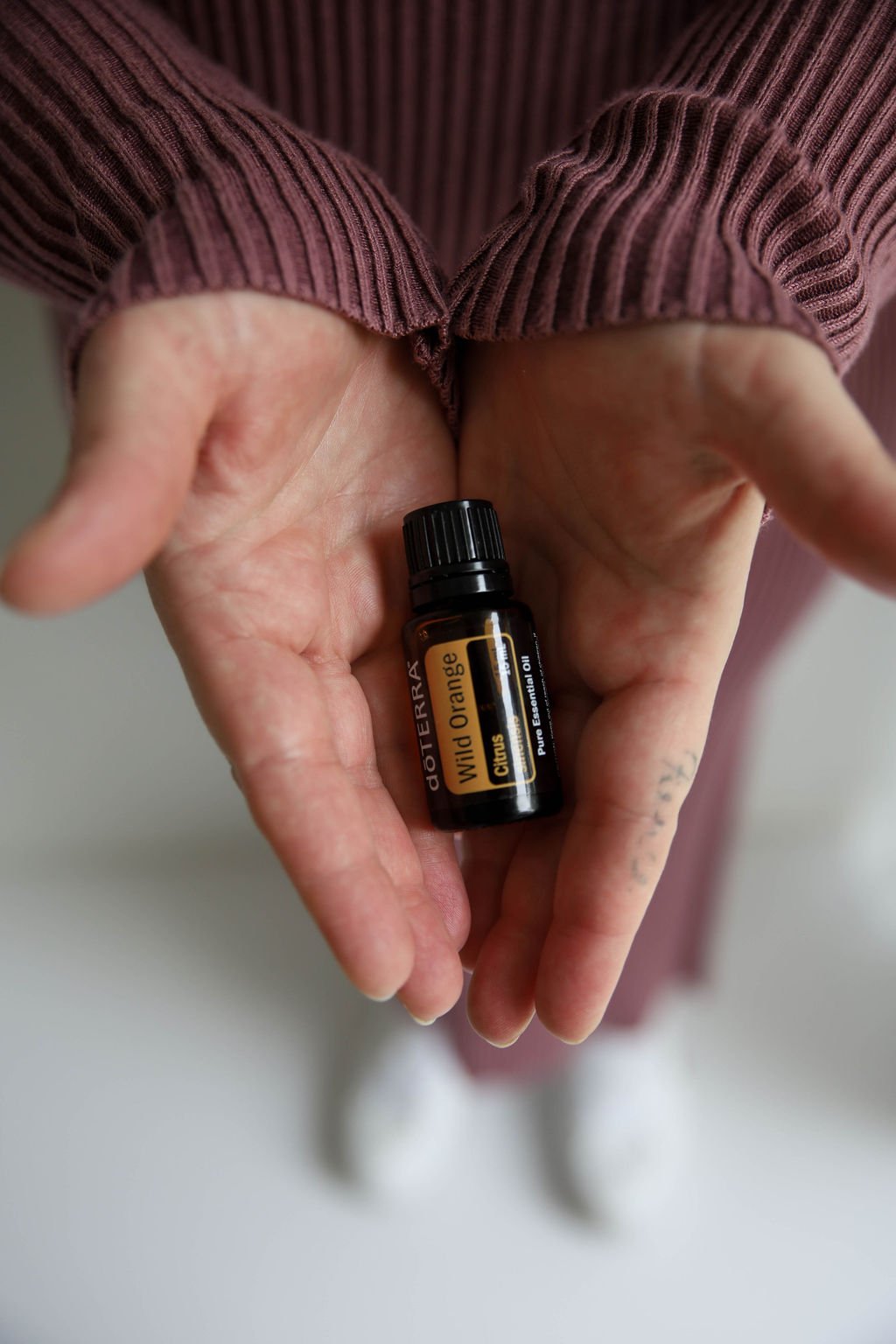
• Use natural alternatives like mild essential oils if desired
Understanding the impact of fragrance helps you make gentle, informed choices. Learning about essential oils and low-tox options can support calmer, healthier environments for children and adults — without overwhelm or pressure.